AI Dubbing and Video Localization Explained
Learn how AI dubbing and video localization work. Translate your videos into any language with natural-sounding AI voices.
Vela Team
Published · September 13, 2026
Reach Global Audiences with AI Dubbing
AI dubbing translates and re-voices your videos into any language with natural-sounding AI voices. What used to cost thousands and take weeks now takes minutes and costs a fraction.
How AI Dubbing Works
The AI transcribes your video, translates the script, and generates new voiceover in the target language. Advanced tools match lip movements, preserve emotion, and maintain the speaker's vocal characteristics.
Use Cases for Video Localization
- Expanding e-commerce product videos to international markets
- Localizing SaaS product demos for global customers
- Translating educational and training content for multilingual teams
- Adapting marketing campaigns for different regions
- Creating multilingual social media content at scale
Quality in 2026
AI dubbing quality has improved dramatically. Voice cloning preserves the original speaker's tone. Lip-sync technology matches mouth movements. But it is not perfect — accent nuances and cultural context still benefit from human review.
Getting Started with AI Dubbing
Start with your highest-value content — your main product video or top-performing ad. Translate into your largest international market first. Test engagement, then expand to more languages.
How it works
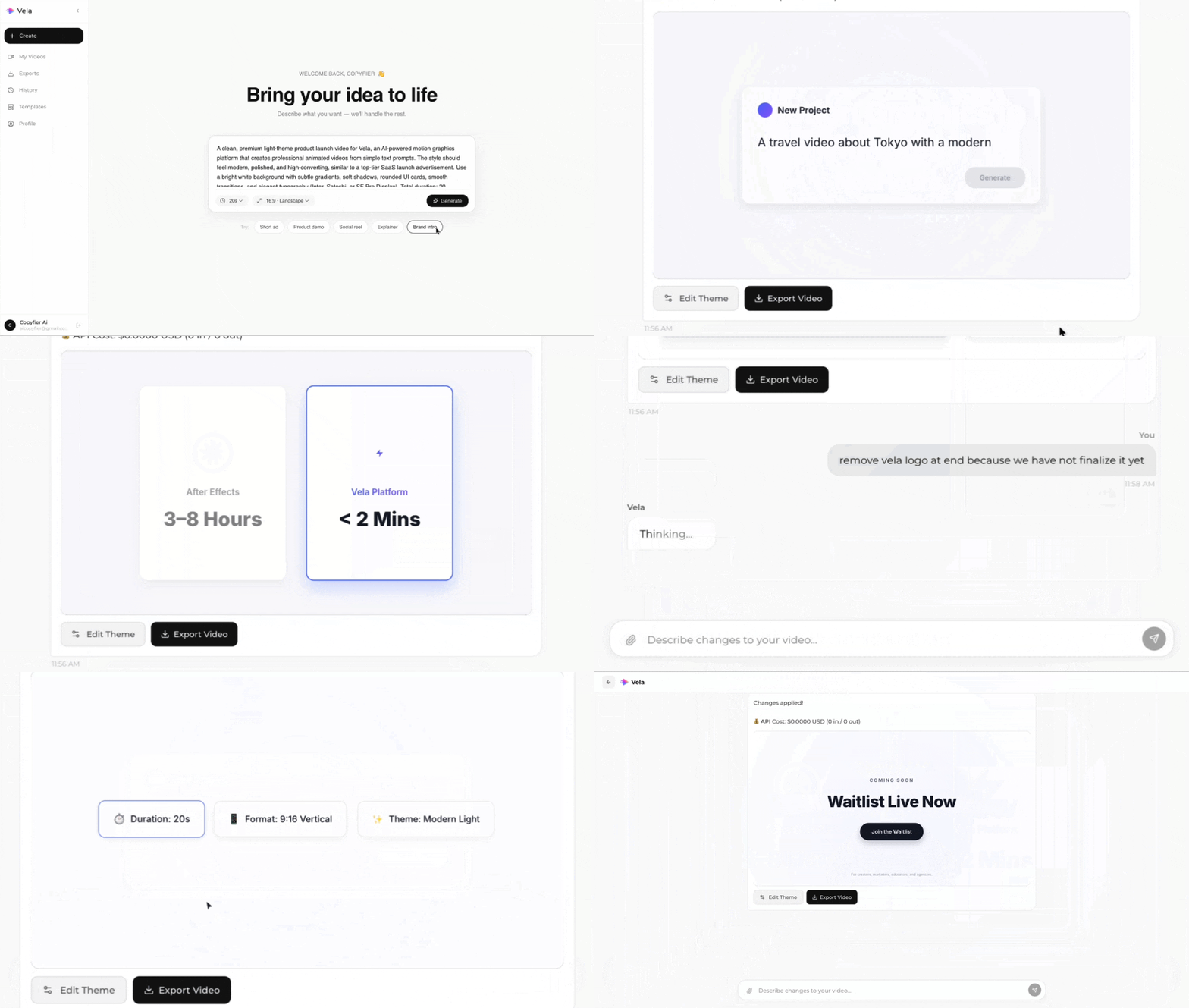
Type what you want. Vela creates the motion graphic. Refine by chatting.
Made with Vela
SaaS Launch
Map Animation
Explainer