Native Audio AI Video Explained: Why It Matters for Marketers
Understand native audio in AI video generation. Why synced sound matters and how it changes the quality of AI-generated content.
Vela Team
Published · September 13, 2026
Sound Changes Everything
Native audio in AI video means the audio is generated alongside the visuals — not added later. The AI creates synced sound effects, ambient noise, and even dialogue that matches what is happening on screen.
Why Native Audio Matters
- No more adding stock music or sound effects manually
- Videos feel more complete and professional out of the box
- Lip-sync for AI-generated characters is built in
- Sound effects match the action — footsteps, clicks, ambient noise
- Reduces production time by eliminating audio post-production
Who Is Leading in Native Audio
Google Veo 3 was the first major model to ship native audio AI video in 2026. The quality is impressive — natural-sounding dialogue, accurate ambient noise, and emotional tone matching. Other tools are racing to add similar capabilities.
Limitations
Native audio is still evolving. Dialogue can sound slightly robotic in some outputs. Music generation is basic. And you have limited control over the audio mix. For marketing content where audio quality matters, adding professional music and voiceover manually is still the better approach.
For Marketers
Native audio is useful for quick social content and rough cuts. But for branded marketing videos, you probably still want to control your audio. Motion graphics tools like Vela let you design the visuals and add your own music and sound design.
How it works
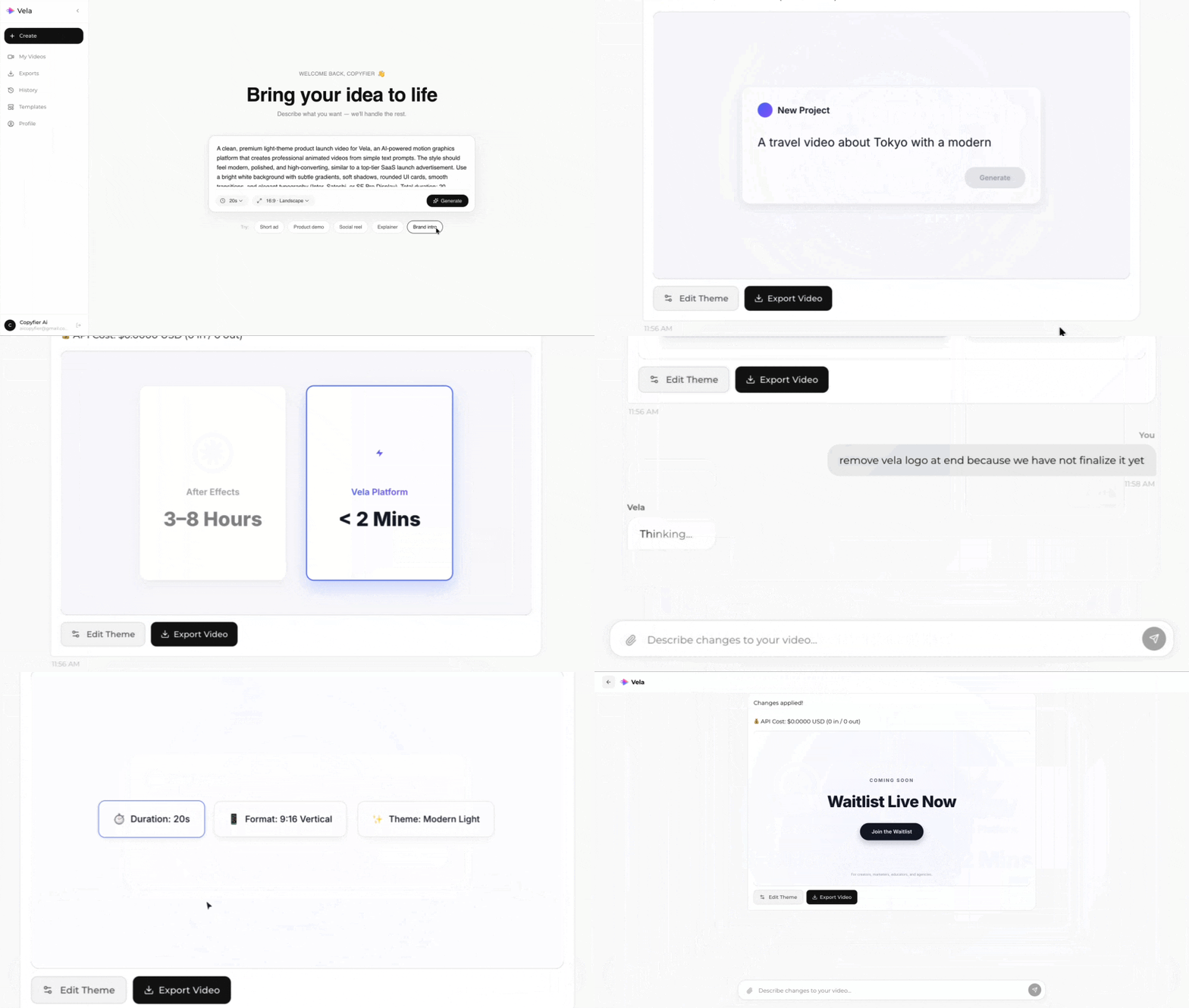
Type what you want. Vela creates the motion graphic. Refine by chatting.
Made with Vela
SaaS Launch
Map Animation
Explainer